





Almost everyone says the same thing these days:
“I’m tired.”
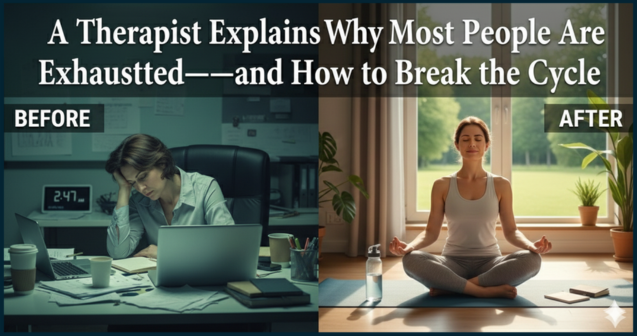
Not the kind of tired that sleep fixes but a deep, lingering exhaustion that follows people even after weekends, vacations, and full nights in bed.
According to therapists, this isn’t a personal failure.
It’s a pattern and it’s becoming one of the most common mental health concerns of our time.
“This Isn’t Laziness It’s Chronic Overload”

A licensed therapist with over a decade of experience explains it simply:
“Most people aren’t exhausted because they’re doing too little. They’re exhausted because they’re doing too much without recovery.”
This kind of exhaustion isn’t always physical. In fact, many people feel tired even when they haven’t moved much at all.
That’s because the nervous system never gets a chance to rest.
The Hidden Reasons Everyone Feels Drained
Therapists point to a few repeating causes behind modern exhaustion.
1. Mental Multitasking Never Stops

Even when you’re “resting,” your brain is often:
- Scrolling
- Worrying
- Planning
- Comparing
- Reacting
Your body might be still but your mind is working overtime.
“True rest requires mental quiet,” the therapist explains.
“And most people never experience that anymore.”
2. Emotional Labor Is Constant and Unseen

Many adults carry invisible emotional weight:
- Managing family expectations
- Supporting friends
- Being “strong” at work
- Suppressing frustration or sadness
“When emotions are constantly pushed down, the body holds them,” the therapist says.
“That creates exhaustion that no nap can fix.”
3. Productivity Culture Never Allows Enough

In today’s world:
- Rest feels unearned
- Slowing down feels like failure
- Being busy feels like worth
Therapists call this performance-based self-worth when your value depends on how much you produce.
“That mindset keeps people in a constant state of pressure,” the therapist notes.
“And pressure is exhausting.”
4. Digital Overstimulation Keeps the Nervous System Alert
Notifications, emails, messages, and breaking news keep the brain in a low-level fight-or-flight mode.
“Your nervous system thinks it needs to stay alert all the time,” the therapist explains.
“And an alert system can’t rest.”
Why Sleep Alone Doesn’t Fix the Problem
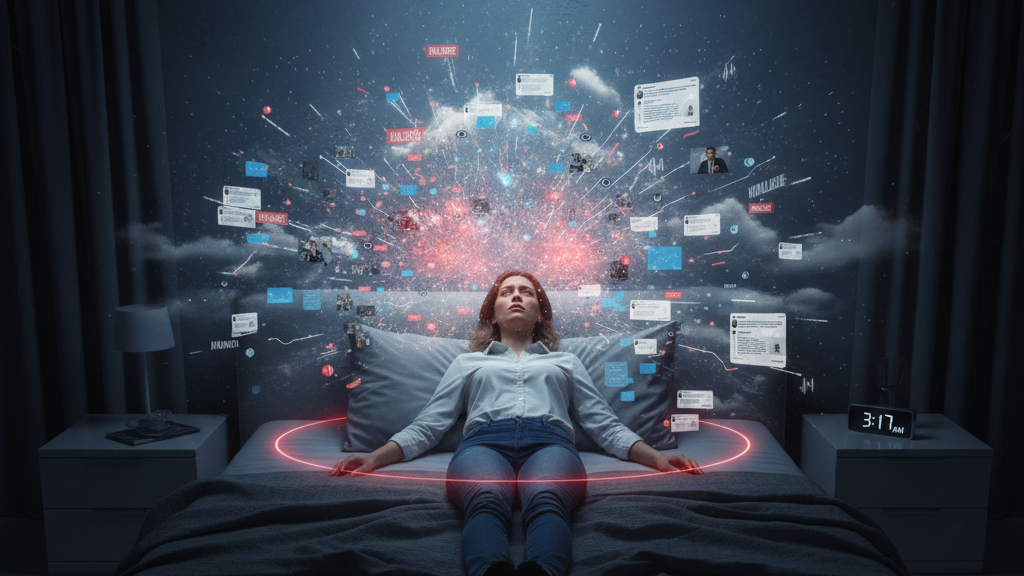
Many people say, “I sleep, but I’m still tired.”
Therapists explain that exhaustion often comes from:
- Lack of emotional processing
- No boundaries with work or technology
- Never feeling mentally safe enough to relax
“You can sleep eight hours and still wake up exhausted if your nervous system never shuts off,” the therapist says.
How to Break the Exhaustion Cycle
The solution isn’t doing more it’s doing differently.
1. Create Moments of True Mental Rest

This doesn’t mean scrolling.
It means:
- Sitting quietly for five minutes
- Walking without headphones
- Letting thoughts pass without reacting
“Even small pauses reset the nervous system,” the therapist explains.
2. Stop Treating Rest as a Reward
Rest isn’t something you earn after burnout.
“Rest is a biological requirement,” the therapist says.
“Not a luxury.”

Start resting before exhaustion not after it.
3. Set Emotional Boundaries
You’re allowed to:
- Say no
- Not fix everything
- Let people handle their own emotions
Constant emotional availability drains energy faster than physical work.
4. Reduce Daily Stimulation

Try one simple change:
- One hour without screens
- Notifications turned off in the evening
- A calm bedtime routine
“When stimulation decreases, energy slowly returns,” the therapist explains.
5. Listen to Fatigue Instead of Fighting It
Fatigue isn’t weakness it’s communication.
“When your body says ‘slow down,’ it’s asking for care not punishment,” the therapist says.
The Shift That Changes Everything

The most powerful change isn’t external it’s internal.
“I see people heal when they stop asking, ‘How can I push through?’ and start asking, ‘What do I need right now?’”
That shift from self-pressure to self-support is where energy begins to return.
A Final Thought
Exhaustion doesn’t mean you’re broken.
It means your life is asking for a gentler rhythm.
And according to therapists, healing doesn’t come from doing more it comes from finally allowing yourself to rest, feel, and be human.