




As we cross into our 40s, life often feels busier than ever — juggling work, family, and health all at once. But one thing many people start to struggle with is sleep. You might find yourself lying awake, staring at the ceiling, even when you’re exhausted.
The truth is, as we age, our sleep patterns naturally change. Hormonal shifts, stress, lifestyle habits, and even late-night screen time can make restful sleep harder to come by.
But here’s the good news — you don’t need sleeping pills or complicated routines. With a few simple evening habits, you can train your body and mind to sleep deeply and wake up refreshed.
Why Sleep Gets Harder After 40
As we grow older, the body’s production of melatonin (the sleep hormone) decreases. Combine that with stress, caffeine, or inconsistent routines, and you get restless nights.
Poor sleep doesn’t just cause fatigue — it affects mood, memory, hormones, and even weight. That’s why focusing on your evening routine is key to reclaiming your rest.

1. Create a Calm, Cozy Sleep Environment
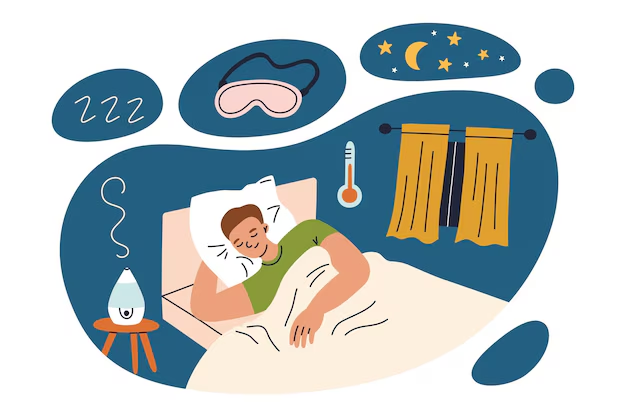
Your bedroom should be a place your mind associates with peace and relaxation.
- Keep lights dim and avoid harsh overhead lighting after 8 p.m.
- Set the room temperature slightly cool (around 20°C is ideal).
- Use soft cotton sheets, and keep clutter away — a clean space leads to a calm mind.
💡 Pro Tip: Try adding lavender essential oil or a few drops of chamomile oil to your pillow — both are proven to reduce anxiety and promote deep sleep.
2. Ditch Caffeine and Heavy Meals at Night
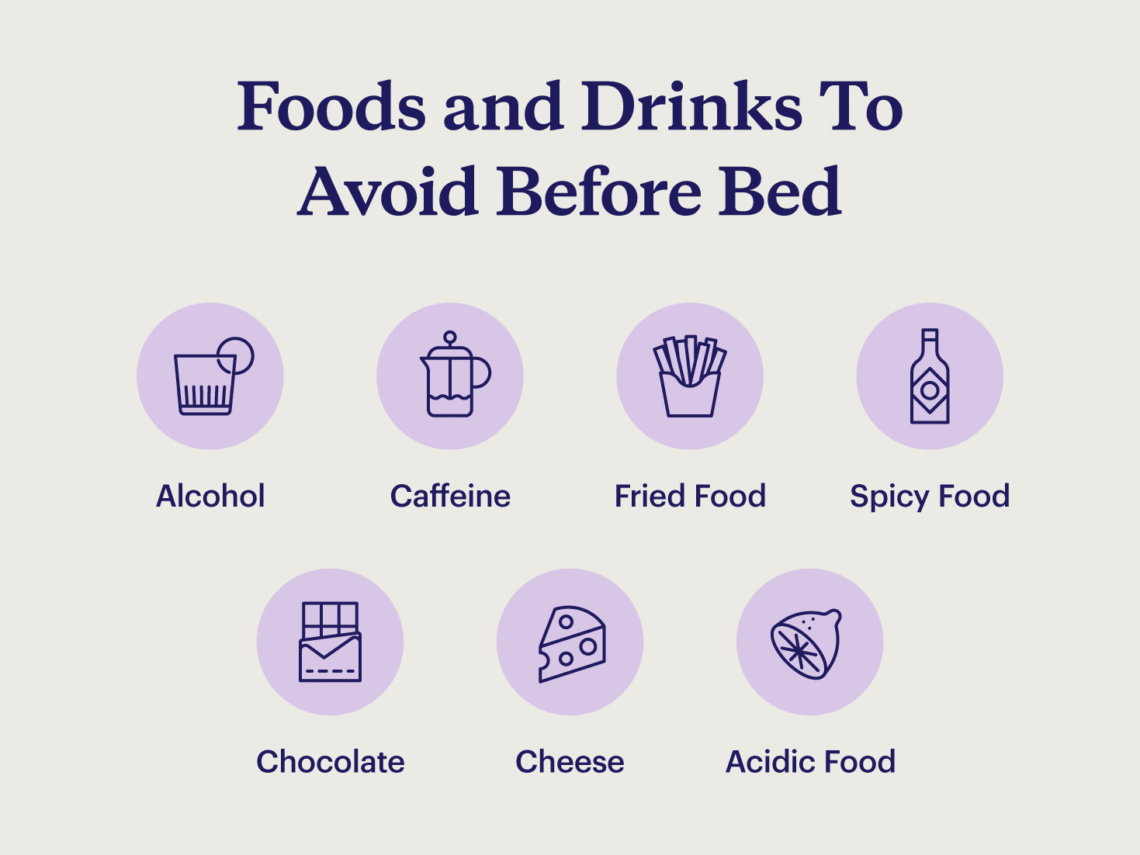
Many people over 40 experience slower digestion. Having coffee, cola, or even dark chocolate after 5 p.m. can keep your nervous system alert long into the night.
Similarly, heavy dinners can cause acid reflux or bloating, disturbing your rest.
✅ Try This Instead:
Have a light, warm dinner — like soup, lentils, or grilled vegetables — and sip on a soothing herbal tea like chamomile or valerian root before bed.
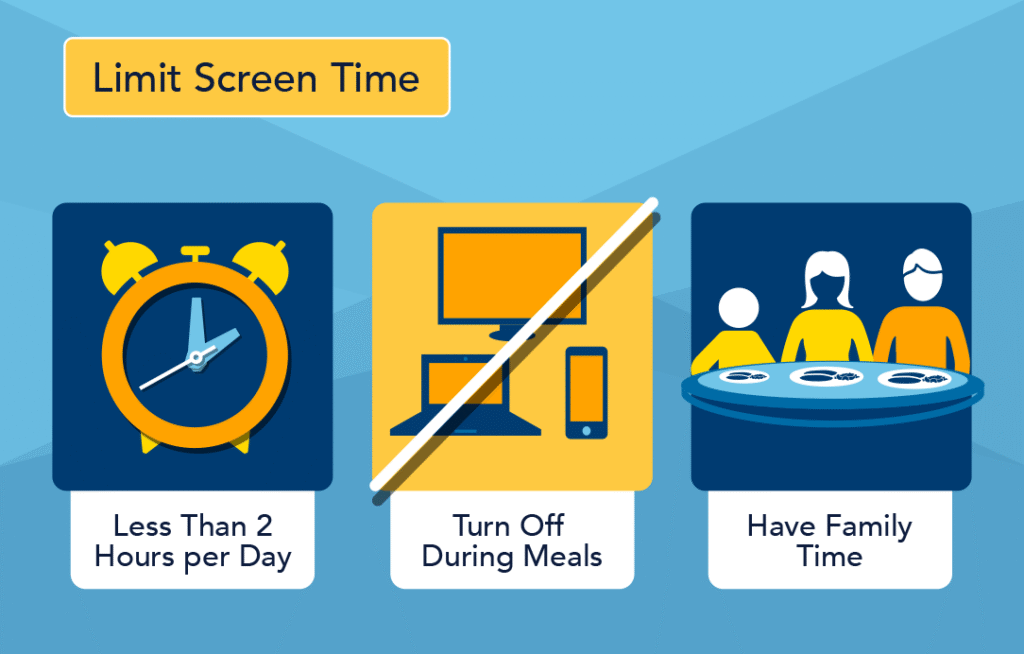
3. Unplug from Screens
Blue light from phones, TVs, and laptops tricks your brain into thinking it’s still daytime, blocking melatonin production.
If possible, put away screens at least one hour before bedtime. Use that time for something calming — reading, journaling, or light stretching.
💬 Mindful Alternative: Try gratitude journaling. Write down three things you’re thankful for each night — it reduces stress and rewires your brain for positivity before sleep.
4. Gentle Movement and Deep Breathing
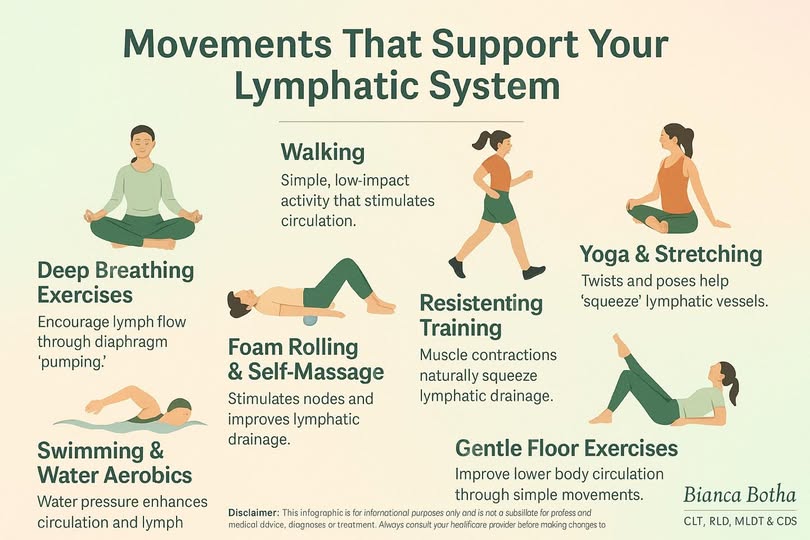
You don’t need intense workouts before bed — just simple movements to relax your muscles and release tension.
- Try slow neck rolls, shoulder stretches, or yoga poses like Legs-Up-the-Wall (Viparita Karani).
- End with deep breathing: inhale for 4 seconds, hold for 4, exhale for 6. Repeat this 5–10 times to calm your heart rate.
🧡 Bonus: Regular nighttime stretching improves blood circulation and can reduce morning stiffness — especially for people in their 40s and 50s.
5. Build a Simple Night Ritual
Routines tell your body it’s time to wind down. Try doing these every night around the same time:
- Dim the lights
- Brew a cup of warm turmeric or chamomile milk
- Read a few pages of a good book
- Avoid intense conversations or stressful tasks
Consistency is key — once your body recognizes this pattern, falling asleep becomes effortless.
6. Manage Worry Time
Overthinking often strikes at night. If you tend to replay the day’s events or stress about tomorrow, set a “worry time” earlier in the evening.
Write down your thoughts or to-do list, then mentally close the notebook. Tell yourself, “I’ve already dealt with it for today.”
This trains your brain to separate daytime problem-solving from nighttime relaxation.
Optional Nighttime Boosters

- Warm Turmeric Milk: Reduces inflammation and promotes better sleep.
- Magnesium-rich Foods: Almonds, bananas, or spinach before bed can relax muscles.
- Soft Music or White Noise: Helps drown out distractions and soothe the mind.