





What Is the K Visa?
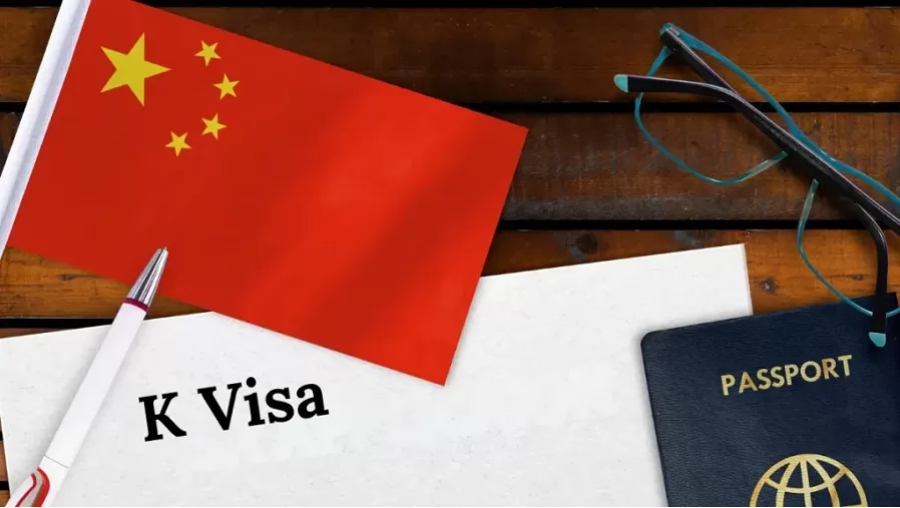
Starting October 1, 2025, China will begin issuing a new visa called the K visa for young professionals in science, technology, engineering and mathematics (STEM) fields. It is meant for those who hold a bachelor’s degree or higher from well-known universities or research institutions, or are currently doing research or education in those fields.
One of the biggest changes is that applicants do not need a Chinese employer or local organization to invite them. That is unusual compared to many work visas in other countries. China says the process will be simpler, more flexible, and allow different kinds of activities: study, research, cultural exchange, innovation, entrepreneurship.
Why It Matters, Especially Now
The timing is no accident. Recently the U.S. raised the fee for new H-1B visas to $100,000, which has shaken up the plans of many people who hoped to go to America to work or study. Because of that, many global tech professionals are now looking for other options, and China’s new K visa is being seen by analysts as a tempting alternative.
China seems to be positioning this visa as a way to attract talented people who might feel blocked or discouraged by newer visa rules elsewhere. By making entry easier and removing the requirement for a local sponsor, China is trying to make itself more appealing for ambitious young researchers, professors, tech entrepreneurs, and innovators.
What the Rules Look Like
Here are some of the key features and eligibility criteria:
- Must be young STEM talent with the right educational credentials or research experience.
- Must meet standards set by Chinese authorities for foreign young professionals in science and technology.
- Must provide the required documents (proof of degree, affiliation, etc.).
- The visa offers more freedom than many existing visa types: more allowed entries, longer stay, more activities allowed (work, research, exchanges).
China’s official line is that this will help speed up global cooperation, help China become more innovative, and pull in talent from around the world rather than being limited mostly to home-grown researchers.
What Are the Big Questions?
While the K visa is promising, there are still things people are waiting to see clearly:
- Exactly how long people can stay, how easy it is to renew or extend the visa.
- What counts as “prestigious” university or research institution under China’s rules.
- Whether visa holders will have clear paths to more permanent positions or roles if they stay longer.
- If the visa will truly offset the pull of Western countries (USA, Europe) for many tech professionals, or if it will mostly attract people who already have close connections to China.
What This Could Mean Going Forward
For individuals, the K visa could open new opportunities for work, research, and living abroad without the usual visa hurdles. For China, it’s another signal that it wants to be a main stage for global science and tech talent.
If it works as planned, it could also influence how other countries compete for STEM workers. Some may respond by making their own visa systems more flexible or by changing fees.
For those watching or hoping to use it, this is a chance to rethink plans: less dependence on traditional visa destinations, more options, perhaps new international collaborations.
In the end, China’s K visa feels like both a response and a challenge. A response to visa changes elsewhere that make things harder for tech talent, and a challenge to the status quo. Whether it becomes a new norm or just a curiosity depends on how China follows through—and how the people it aims to attract respond.