





I was invited by a friend to his home. He’s an Indian friend, and he was living in a very good—very well-maintained, very comfortable—home in New Jersey. It wasn’t overly luxurious, but it had that warm, balanced feeling that some homes have: clean, calm, thoughtfully arranged. When I entered, like most guests, I naturally glanced around, and my eyes went straight to the kitchen.
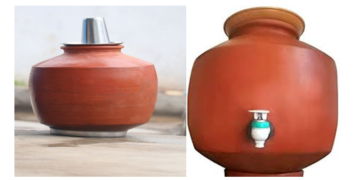
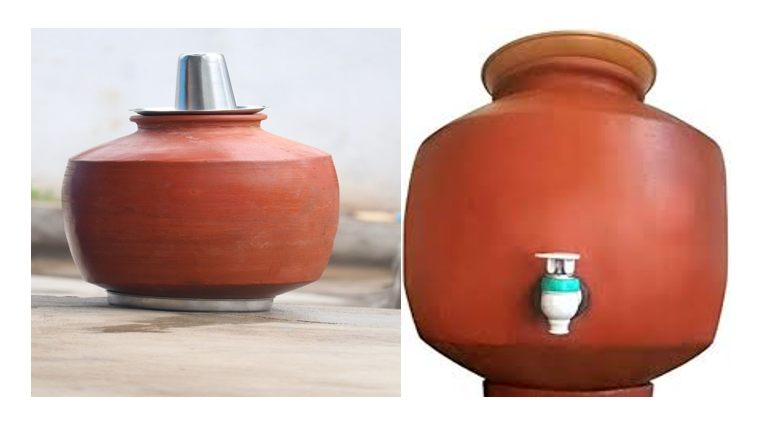
On the kitchen counter, near the dining table, there was something unusual. A simple-looking clay pot. A matka. I paused for a moment because I hardly ever see something like that in the United States, especially not in such a modern home. It stood there quietly, earthy in color, almost out of place among stainless steel appliances and glassware—yet somehow, it fit perfectly.
I asked him casually, “What is that?” He smiled, almost as if he had been waiting for the question.
That’s how my journey into the world of clay pot water began.
“This Is How We Used to Drink Water”
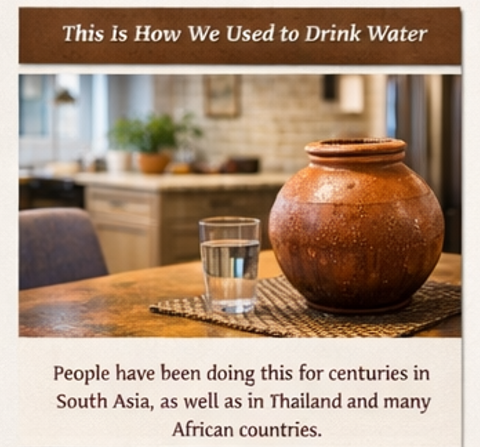
He explained to me that the clay pot wasn’t decoration. It was functional. “This is actually a very old way of storing and drinking water,” he said. “People have been doing this for centuries in South Asia—India, Pakistan, Bangladesh—as well as in Thailand and many African countries.”
He told me it’s called a clay pot or matka, made from natural, unglazed clay. Long before water filters, plastic jugs, or refrigerators existed, people relied on these pots to keep water cool and fresh.
I listened with curiosity, but honestly, at that moment, it still felt more like a cultural artifact than something practical for modern life in the USA. Then he poured me a glass.
The First Sip That Changed My Perspective
When I drank the water, I noticed something immediately. The taste was different. Not bad—just different. Softer. Calmer. There was a subtle earthy scent, a faint clay aroma that reminded me of rain on dry soil. It felt… natural.
I remember thinking, This doesn’t feel like bottled water. And it doesn’t feel like fridge water either.
It wasn’t ice-cold, but it was cool enough to be refreshing. Gentle on the throat. Comfortable to drink.
I liked it more than I expected.
“Why Use This in America?”
That’s when I asked the obvious question:
“Why are you using this here, in the USA, instead of a filtered jug or refrigerator water?”
He didn’t answer immediately. He took a moment, almost thoughtfully, and then said something that stayed with me.

“Because sometimes,” he said, “modern doesn’t always mean better.”
How Clay Pot Water Actually Works
He explained the science in simple terms.
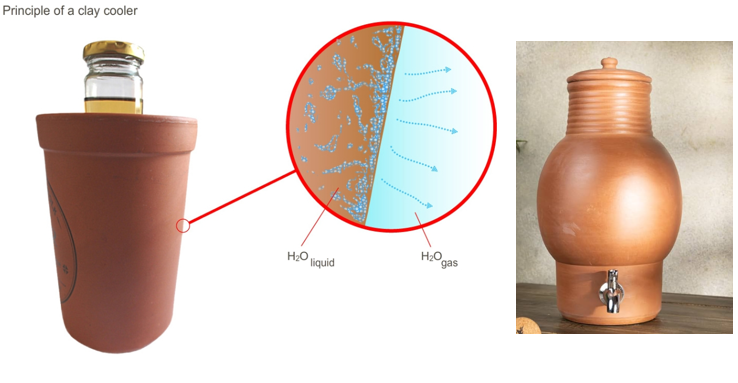
Clay pots are porous. Tiny microscopic pores allow a very small amount of water to seep through the surface. When that water reaches the outside, it evaporates. That evaporation pulls heat from inside the pot, naturally cooling the water.
No electricity. No chemicals. No technology.
Just physics.
This process—called evaporative cooling—keeps the water cool in a way that’s closer to natural body temperature. Unlike refrigerator water, which can be too cold and harsh on digestion, clay pot water is gentle.
That alone made me curious.
Health Benefits I Didn’t Expect
As we talked more, he shared benefits that honestly surprised me.
First, digestion. He said many people experience throat irritation, bloating, or stomach discomfort from very cold water. Clay pot water avoids that.
Second, balance. Natural clay contains minerals that can slightly balance water pH. While it’s not medicine, it supports overall gut comfort.
Third, safety. Unlike plastic containers, clay pots don’t release microplastics or chemicals into water. In a time when people are increasingly worried about plastic exposure, that felt important.
Fourth, sustainability. No electricity. No plastic waste. No replacement filters.
It was simple, but powerful.
A Tradition Older Than Modern Civilization
That conversation pushed me to learn more. I later discovered that clay pots have been used since ancient civilizations—Indus Valley settlements, ancient Egypt, Mesopotamia, Africa, Southeast Asia.
For thousands of years, humans trusted clay with one of the most essential needs of life: water.
It wasn’t tradition for tradition’s sake. It was practical wisdom.
From Villages to Modern Homes
What surprised me even more was learning how clay pot water has quietly entered modern urban homes—not just in South Asia, but in the US and Canada too.
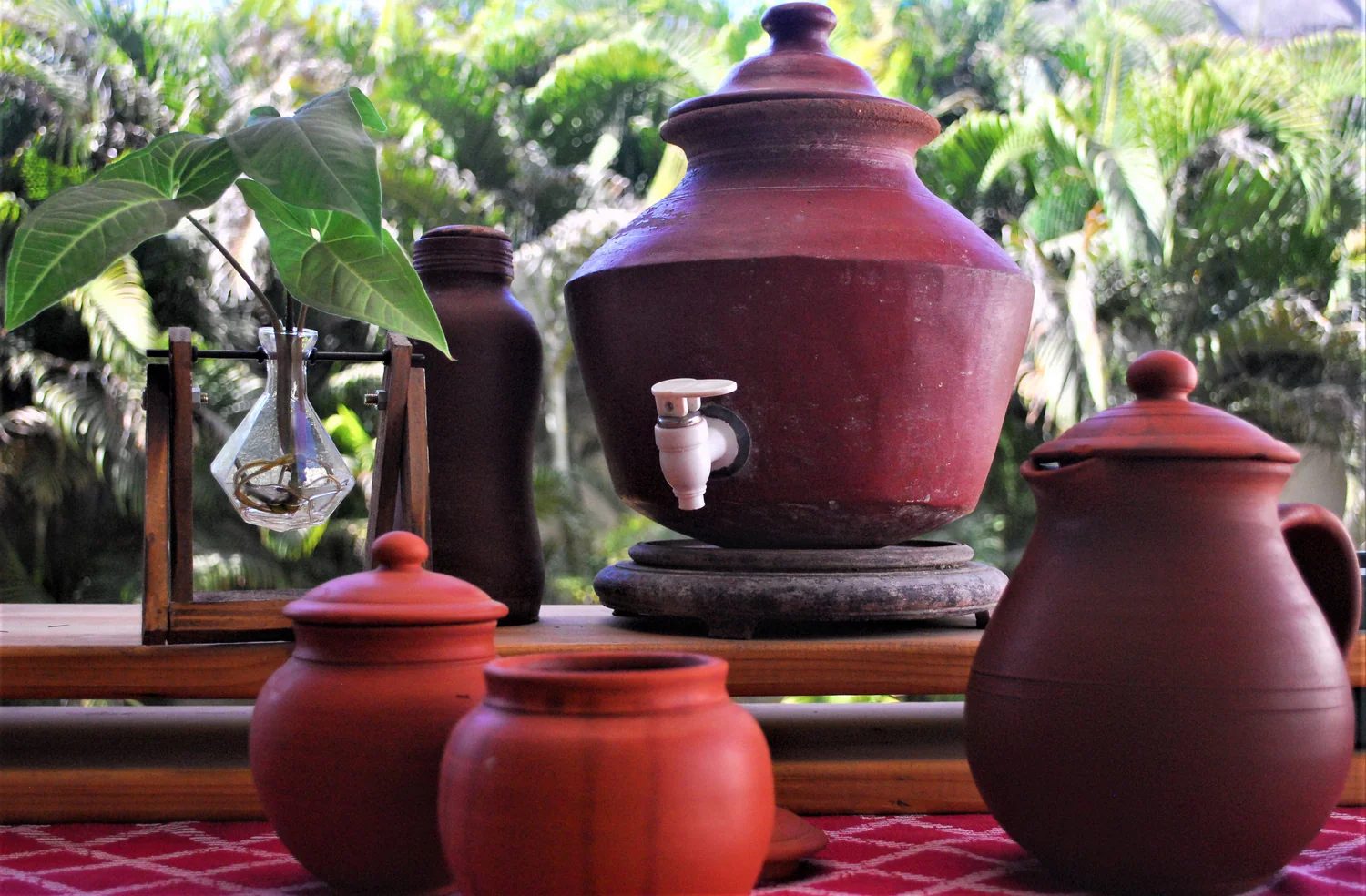
Many health-conscious families now use clay pots alongside modern kitchens. Some place them in dining areas, others on patios, some even use beautifully designed versions as statement pieces.
And honestly? They look good.
The natural terracotta color adds warmth. In minimalist homes filled with steel, glass, and white surfaces, a clay pot brings balance. It feels grounded. Human.
Cost: Simpler Than You Think
I assumed this would be expensive in the US.
I was wrong.
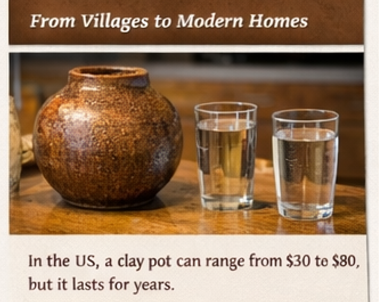
In South Asia, clay pots cost anywhere between $5 and $15. In the US or Canada, imported or handcrafted ones can range from $30 to $80 depending on size and design.
But here’s the thing: a single clay pot can last years with basic care. No electricity bill. No filter replacements. No plastic bottles.
Over time, it’s actually cheaper.
Care and Maintenance: Surprisingly Easy
Another misconception I had was that clay pots would be hard to maintain.
Not true.
You rinse them with plain water. No harsh soap inside. Occasionally scrub gently with baking soda. Change the water daily or every 24 hours. Keep it in a shaded, ventilated area.
That’s it.
Some mineral buildup over time is normal—and harmless.
My Decision: Bringing One Home
After a few days, the idea stuck with me. I kept thinking about that water. About the taste. About the simplicity.
So I asked him where I could buy one.
He directed me to a general Indian store not far away. And yes—you may not believe this—but I bought one for my own home.
The first day I placed it in my kitchen, I felt the same thing I had felt at his house: curiosity mixed with calm.
And when I poured myself that first glass at home, it felt familiar already.
Clay Pot Water vs Filtered Water
I still use filtered water sometimes. This isn’t about rejecting modern systems. It’s about balance.
Filtered water removes impurities. Clay pot water complements that by offering a natural, body-friendly way to store and drink it.
For me, clay pot water became a lifestyle choice—not a replacement, but an addition.
Why This Old Practice Feels Right Today
In a world moving too fast, surrounded by plastic, screens, and constant upgrades, clay pot water represents something rare: sufficiency.
It doesn’t promise miracles. It doesn’t need branding. It just works—quietly, naturally, reliably.
What our ancestors used out of necessity, many of us are now choosing intentionally.
The Enduring Charm of Clay Pot Water
What started as a casual visit to a friend’s home in New Jersey turned into a lesson about tradition, health, and simplicity. That clay pot on his kitchen counter wasn’t just holding water. It was holding history. Wisdom.
And a reminder that sometimes, the best solutions are the oldest ones. If you ever see a matka in someone’s home, don’t ignore it. Ask about it. Taste the water. You might just find yourself bringing one home too.


