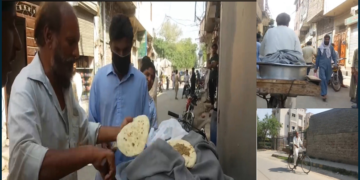






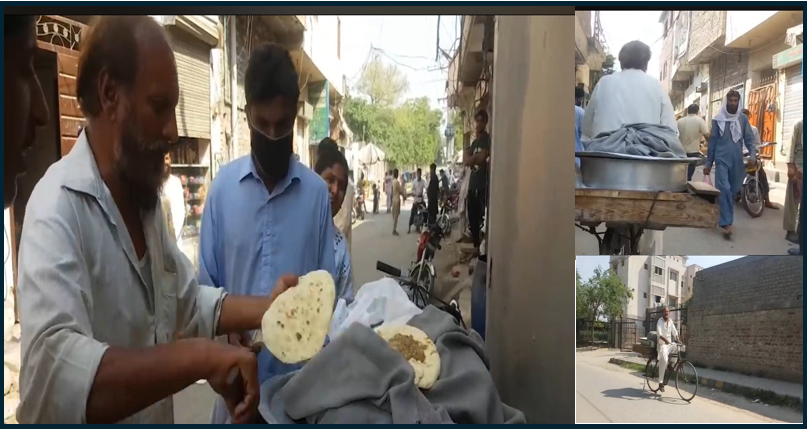
Every morning in Punjab, Pakistan, while the city is still waking up, a quiet rhythm begins on the streets. It is not the sound of engines or horns, but the soft turning of bicycle wheels. On that bicycle is a man carrying something far more valuable than goods—he carries honesty, contentment, and a deeply personal definition of success.
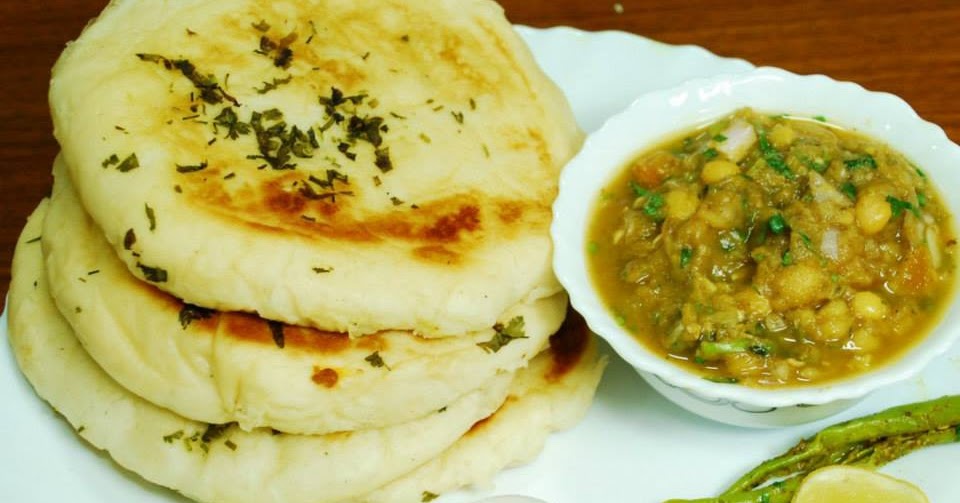
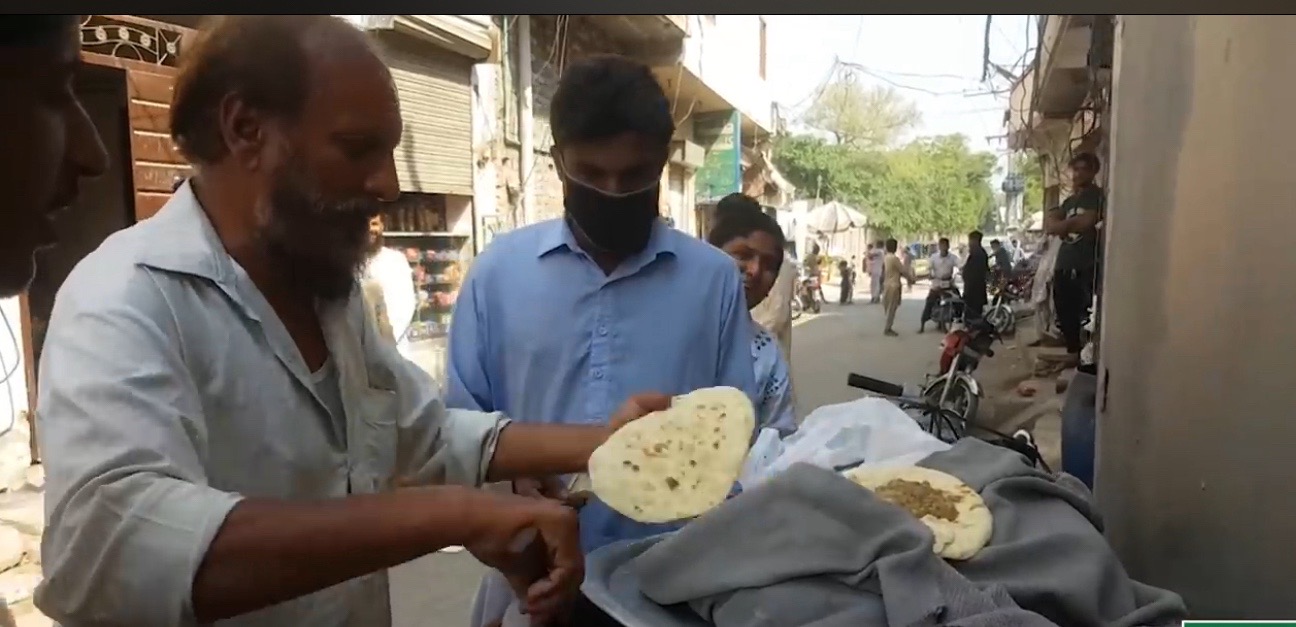
He sells a simple meal: naan bread filled with boiled chickpeas, fresh salad, tomatoes, and green chilies. Nothing fancy. No branding. No app. Just taste, trust, and time-tested values. His price is so reasonable that children can afford it with pocket money, and adults never hesitate to buy. Yet what he really sells is happiness.
A Morning Routine Built on Discipline and Dignity
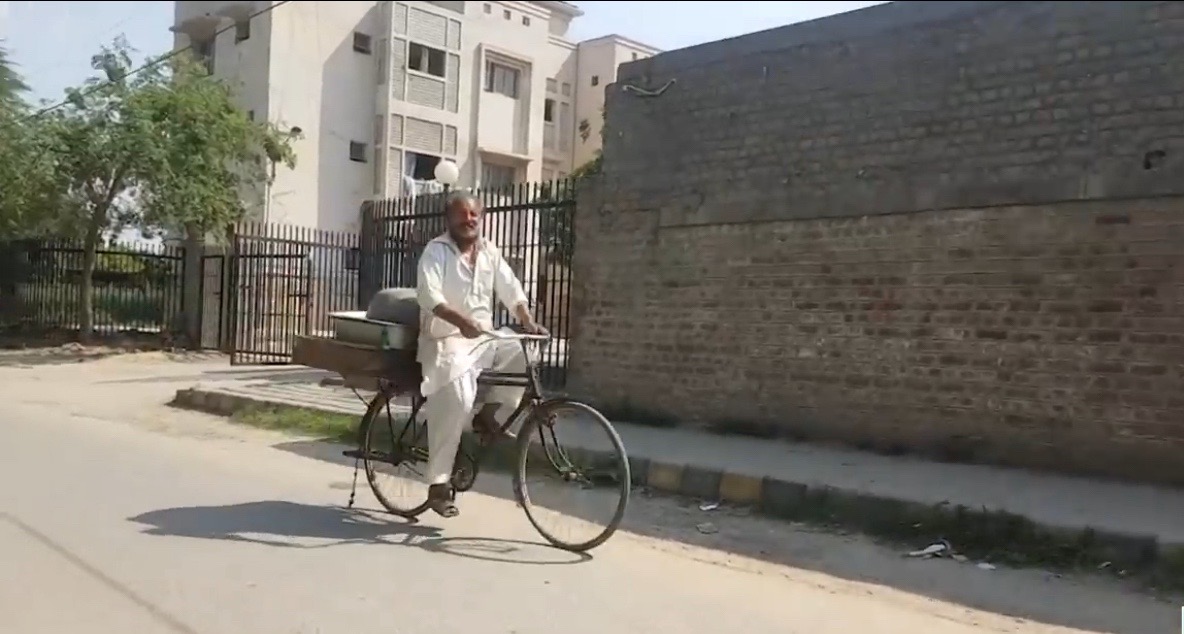
He leaves home around 6:30 or 7:00 in the morning, riding through neighborhoods, townships, campuses, and markets. His route is long, but familiar. Every turn carries memory—houses where children wait at the gate, streets where elders smile before he even calls out.
People often ask him why he still uses a bicycle when motorcycles are cheap. His answer is simple and practical. Motorcycles bring problems: police checks, fines, wasted time, and stress. The bicycle gives him freedom. No corruption, no harassment, no compromise. It also keeps his body healthy.
“This bicycle is my health,” he says. And he means it—physically and morally.
Feeding People Before Counting Money
Some mornings, customers say, “I don’t have money today.”
His reply is always the same:
“Take it. Pay me tomorrow. Or the day after.”
He never refuses. He believes hunger is more urgent than money. If someone eats today, payment will come later. And if it doesn’t, he trusts that God has seen it.
For him, money is not the measure of wealth. Peace of heart is.
Starting with Almost Nothing
When he started this work decades ago, chickpeas were cheap—20 or 30 rupees worth of stock was enough to begin. Sometimes even 15 rupees. There were no shops, no competition, no plans for expansion. Just a bicycle, a pot, and faith.
Today, on a good day, he earns around 500 rupees. In times of inflation, it is not much. His family sometimes supports the household. Savings are minimal. Yet his intention has never changed.
“My family tells me to save,” he says.
“I tell them, whatever God gives me, I give from that.”
Six Children, One Honest Income
He has six children.
Three are married. Three are still dependent.
All were raised on this income—this same bicycle, these same chickpeas, this same honesty. There was no shortcut, no bribery, no illegal work. Just consistency.
In a world where success is often defined by luxury, this feels almost radical.
Redefining Success in South Asia
In modern conversations, success usually means:
- A big house
- Multiple cars
- Expensive clothes
- Bank balances
But in many parts of South Asia, especially in places like Punjab, success wears a quieter face.
It looks like:
- A peaceful sleep at night
- A healthy body
- Children raised without debt
- A marriage that survives
- Respect in the neighborhood
This man feels successful because he believes that one day he will stand before a higher court, tired from a long life, and present himself as someone who did not cheat, harm, or corrupt others.
That accountability shapes his every decision.
Selling Food Like a Blessing
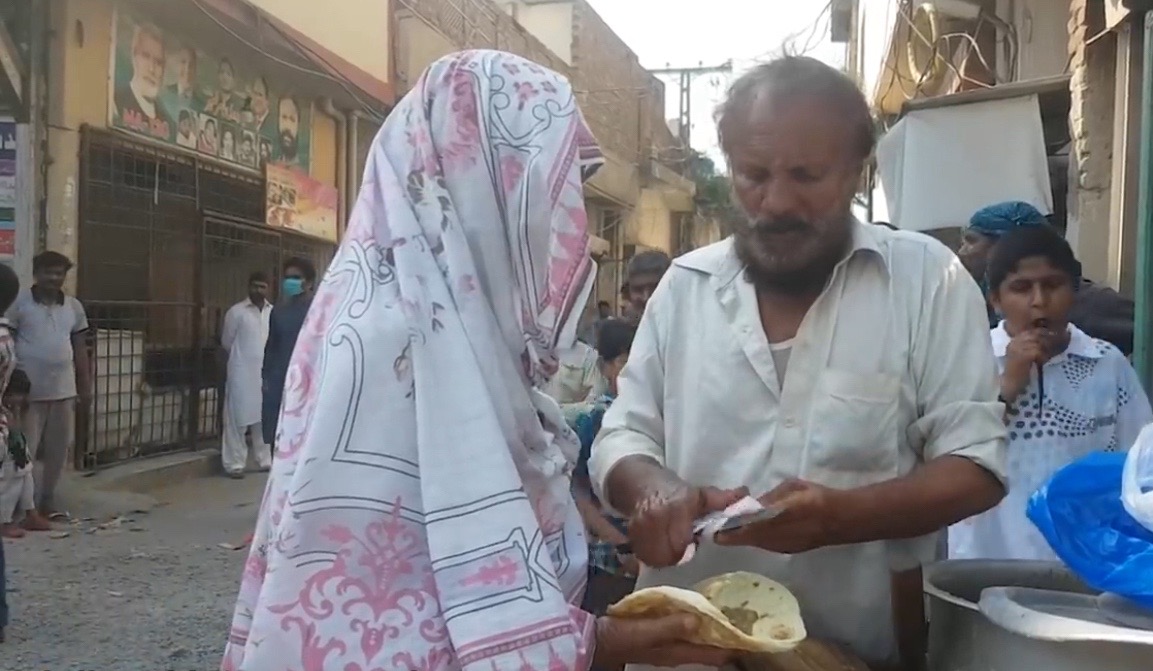
He doesn’t just throw ingredients together. He prepares every serving carefully—like decorating a bride, he says. Salad arranged neatly. Tomatoes centered. Green chilies are balanced. He believes presentation increases taste, and care increases value.
Whether someone buys for five rupees or more, the respect remains the same.
Children especially love him. They wait eagerly, watching him mix chickpeas, sprinkle spices, and fold the naan. For them, this is more than food—it is joy.
During the pandemic, restaurants rushed to offer home delivery. He smiled quietly.
“I have been doing home delivery for 35–40 years,” he said.
Door to door. Street to street. Without apps, without marketing, without panic.
Happiness Without Expansion
People ask him why he never tried to grow—open a shop, hire help, scale the business. His answer is deeply philosophical.
“Some people find their destination as soon as they step out of their house. Others keep walking all their lives and never find it.”
He feels he has found his destination, and he is happy and at peace.
As long as naan-chickpeas keep selling, as long as people smile when they see him, that is enough.
This story matters because it challenges how we measure life.
In a time of burnout, debt, anxiety, and endless comparison, here is a man who earns little but lives rich. Rich in trust. Rich in routine. Rich in peace.
He reminds us that success is not always about more.
Sometimes, it is about enough.