






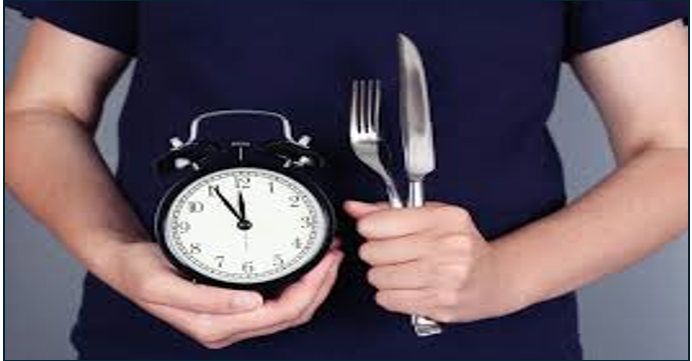
Most people believe health improves only when they change what they eat. Fewer people consider when they eat. For years, I was in the first group. I tried to eat “better,” cut portions, and avoid obvious junk. Yet I still felt heavy at night, restless in sleep, and low on energy during the day. What finally made a difference wasn’t a new diet or supplement. It was moving dinner earlier. This blog explains why that simple shift works—using clear science, everyday language, and lived experience—without chasing extremes or trends.
The Body Runs on Time, Even When We Ignore It
Our bodies follow a daily rhythm. It’s not a belief system or a wellness trend—it’s biology. Every day, the body prepares for activity, digestion, repair, and rest in a predictable cycle. Light tells the brain when it’s day or night, while food tells the digestive system and metabolism when to turn on or slow down. When these signals match, the body works smoothly. When they clash, small problems quietly stack up.
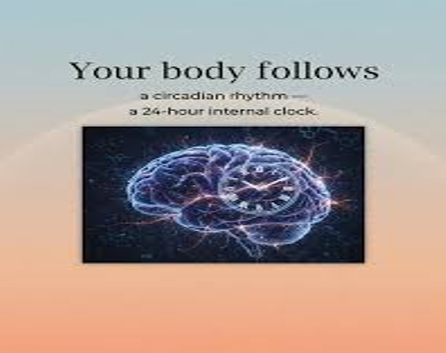
Late dinners are one of the most common ways we create that clash. Eating heavy meals late in the evening tells the digestive system to work hard just as the body is preparing for rest. Hormones that should be winding down stay active. Blood sugar stays elevated longer than it should. Sleep becomes lighter and more fragmented. None of this feels dramatic in the moment, which is why many people live this way for years without connecting the dots.
Why Dinner Timing Matters More Than We Think
The body is more efficient earlier in the day. Digestion, insulin response, and energy use peak when we are active. As evening approaches, the body naturally shifts toward repair and recovery. When dinner comes late, digestion has to compete with sleep. This competition creates internal stress—even if the food itself is “healthy.”
Over time, this mismatch can show up as bloating, acid reflux, stubborn weight gain, morning fatigue, or poor sleep quality. Many people blame age, stress, or genetics, but timing plays a quiet role. Eating earlier aligns food intake with the body’s natural readiness to process it. This alignment reduces strain and allows systems to do their jobs without interference.

A Personal Shift That Changed More Than Expected
I didn’t change my diet first. I changed the clock. Dinner moved from around 9:00 PM to before 7:00 PM. The food stayed mostly the same. What surprised me was how quickly the body responded. Sleep improved within weeks. Nighttime heaviness faded. Morning energy returned without caffeine pushing it. Even mood felt steadier.
What stood out most was how effortless the improvement felt. There was no constant discipline, no feeling of restriction. The body simply worked better when I stopped asking it to digest while it was trying to rest. This wasn’t about willpower. It was about cooperation.
How Earlier Dinner Supports Digestion, Hormones, and Sleep
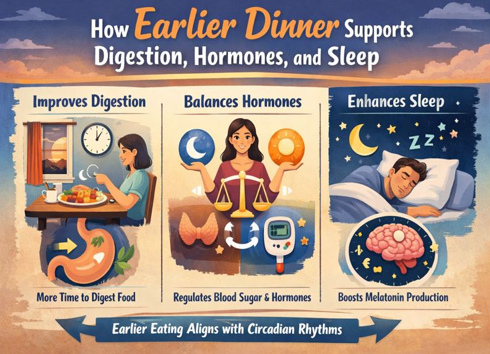
When dinner happens earlier, digestion finishes before bedtime. This gives the gut time to rest overnight. Hormones that regulate sleep are no longer interrupted by active digestion. Blood sugar levels settle more naturally, reducing nighttime awakenings. The liver and other organs can focus on repair instead of processing late calories.
Sleep quality improves not because you “try harder” to sleep, but because the body is no longer confused. Falling asleep becomes easier. Staying asleep becomes normal again. Over time, this consistency improves energy, focus, and metabolic balance.
Why This Matters Even More as We Age
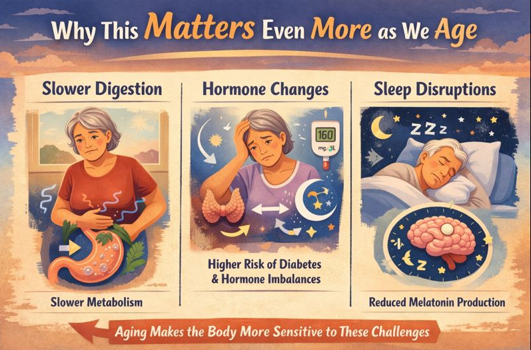
As we get older, the body becomes less forgiving of mixed signals. Late meals that once caused no issues can start to create noticeable discomfort. Digestion slows slightly. Hormonal rhythms become more sensitive. What worked at 35 may quietly backfire at 60.
That’s why dinner timing often becomes a turning point later in life. It restores structure without adding complexity. For retirees, remote workers, or anyone with flexible schedules, it brings back a rhythm that modern life often removes.
Common Misunderstandings About Early Dinner
Many people resist the idea because it feels impractical or restrictive. Others assume it means going to bed hungry. In reality, earlier dinner works best when it’s balanced and satisfying. Hunger at night usually fades after the body adapts. What often remains is better sleep and calmer digestion.
Another misconception is that timing only matters for weight loss. In truth, the benefits extend beyond the scale. Sleep quality, mental clarity, digestion, and mood all respond to better alignment between eating and rest.
Simple Ways to Adjust Dinner Timing Without Stress

You don’t need perfection. You need consistency. Small changes done regularly matter more than dramatic shifts done briefly.
Quick suggestions:
- Aim to finish dinner 2–3 hours before bedtime
- Keep dinner time consistent, even on weekends
- Make dinner slightly lighter than lunch
- Add a short walk after dinner if possible
- Avoid heavy snacks late at night
These habits help the body anticipate rest instead of reacting to late stimulation.
What Happens When the Body Finally Gets a Break
When eating aligns with the body’s internal rhythm, the system relaxes. Digestion becomes quieter. Sleep becomes deeper. Energy becomes steadier. Over weeks and months, this calm efficiency adds up. Health improves not because you pushed harder, but because you stopped pushing at the wrong time.
This is why dinner timing feels almost invisible as a solution. It doesn’t advertise itself. It doesn’t demand attention. It simply works in the background, supporting processes that were designed to run smoothly all along.
Health Is Often About Alignment, Not Effort
Most people are not failing at health because they lack discipline. They’re struggling because their routines are out of sync with their biology. Changing dinner time is not a magic cure, but it is a powerful reset. It reminds the body when to work and when to rest.
If you’re looking for a change that doesn’t overwhelm, start with the clock. Eat earlier. Let the night be quiet again. Sometimes, the most effective health decision is also the simplest one.


