





For nearly a decade, the idea of “success” for young professionals was simple:
Wake up early, grind all day, answer emails at midnight, rise, repeat.
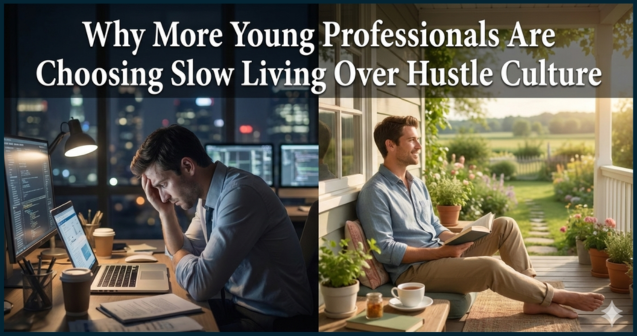
It was the era of hustle culture where burnout was a badge of honor and rest felt like falling behind.
But something shifted.
Across cities, coworking spaces, tech hubs, and creative studios, more young people quietly began stepping back not because they lacked ambition, but because they were tired of sacrificing their lives for it.
Slow living, once seen as a luxury for retirees or rural dreamers, is becoming a conscious choice for millennials and Gen Z professionals who want something deeper than constant productivity.
And their stories reveal why this movement is growing so quickly.
The Breaking Point

Take Haroon, a 29-year-old product designer in Dubai.
He had the salary, the apartment, the title everything hustle culture promised.
But he also had:
- Chronic migraines
- Anxiety that made him check emails in his sleep
- A constant feeling that life was happening somewhere else
- No memories of the last three years except deadlines
One day, during a presentation, his vision went blurry. His manager rushed over, thinking he’d fainted.
Medically, Haroon was fine. Emotionally, he was finished.
That moment pushed him toward a lifestyle he’d never imagined: slowing down.
What Slow Living Actually Means (It’s Not Laziness)
Slow living isn’t about quitting your job or moving to a cabin in the mountains.
It’s about choosing intentionality over urgency.

Young professionals are now redefining success by prioritizing:
1. Mental Clarity Over Constant Busyness
Instead of juggling 10 projects at once, they focus on doing fewer things better.
2. Health Over Hustle
Skipping meals, working 14-hour days, and ignoring burnout are no longer seen as admirable.
3. Presence Over Productivity
Many are learning to enjoy long walks, mindful mornings, and phones-off evenings.
4. Purpose Over Pressure
Work is still important but it’s no longer the only identity.
Small Lifestyle Shifts Making a Big Difference

Most young professionals don’t start with a dramatic life change.
It usually begins with tiny adjustments:
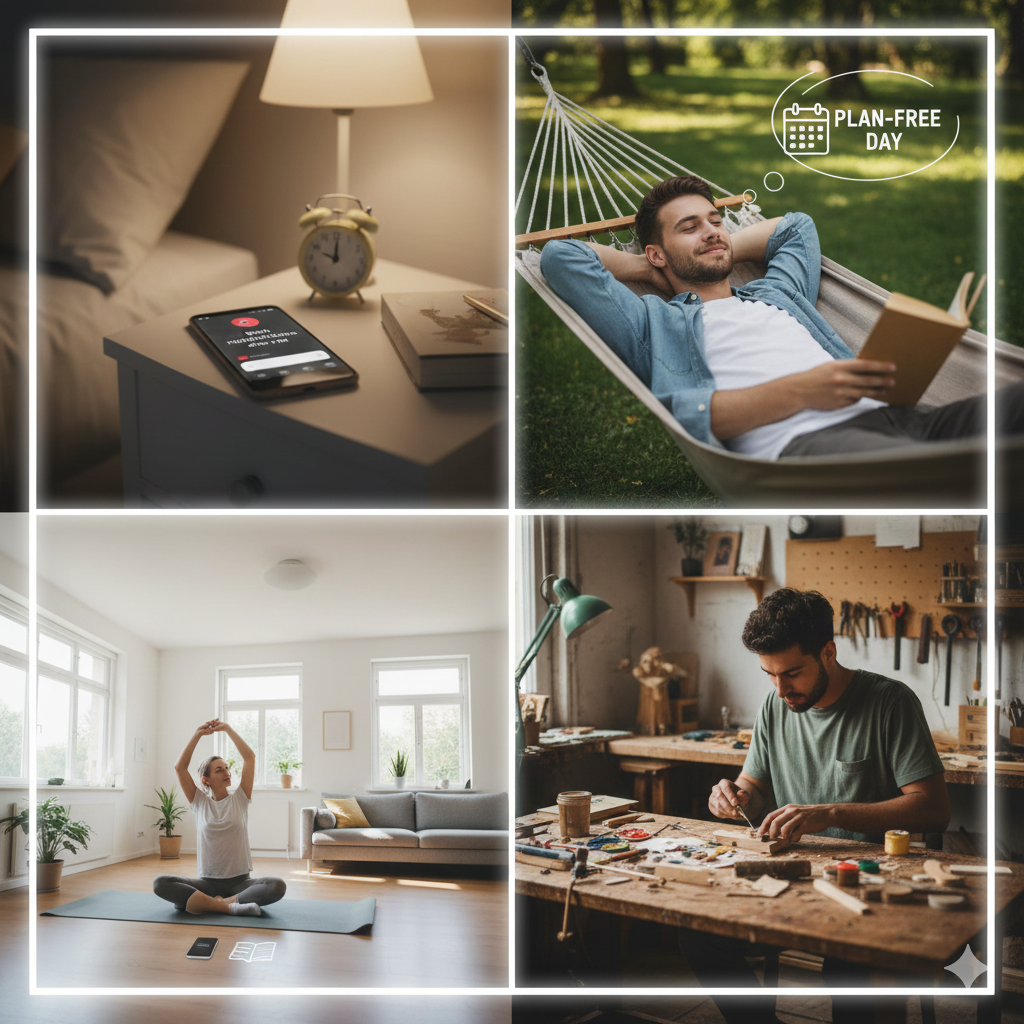
- Turning off work notifications after 7 PM
- Keeping one day a week completely plan-free
- Replacing morning phone scrolling with stretching or reading
- Creating boundaries with clients and managers
- Choosing hobbies not just side hustles
These micro-changes spark something bigger: a calmer, more grounded version of life.
Why This Movement Is Growing
1. Burnout Became Normal—And People Had Enough
After witnessing colleagues break down or quit the industry entirely, many realized they didn’t want the same fate.
2. The Pandemic Changed Perspective
When life slowed down globally, people discovered how good it felt to breathe, rest, and reconnect.
3. Remote Work Opened Doors
With freedom to choose schedules, many stopped treating exhaustion as a requirement.
4. Success Is Being Redefined
For this generation, success is starting to look like:
- Time
- Health
- Balance
- Peace
- And the freedom to enjoy the life you’re working so hard to build
A New Lifestyle, Not a Trend
Haroon now finishes work by 5 PM.
He spends evenings cooking simple meals, journaling, taking slow walks, or meeting friends.
He still works hard but on his terms.
“When I slowed down,” he says,
“I didn’t lose my ambition. I lost my anxiety.”
That’s the real heart of slow living.
It’s not about doing less life it’s about doing life without losing yourself.