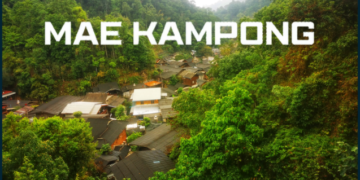






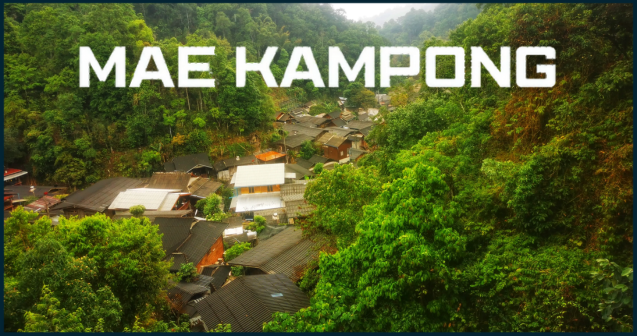
“I didn’t travel to Thailand to heal. I traveled to escape. Healing happened quietly, without my permission.”
At forty four, my body carried the weight of years spent chasing deadlines, fighting traffic, staring into screens, and surviving on rushed meals and restless sleep. Fatigue had become my baseline. Digestive discomfort followed almost every meal. Sleep arrived late and left early. Back pain lingered like a shadow. Mentally, I functioned well, but emotionally I felt constantly drained, as if my nervous system never truly powered down. I accepted these symptoms as the normal cost of adulthood, never questioning whether a healthier way of living still existed.
When I booked a short stay in Mae Kampong, a small mountain village hidden deep in the forests near Chiang Mai, I wasn’t searching for wellness or transformation. I simply wanted silence, distance, and a temporary pause from routine. What unfolded instead was a quiet awakening that reshaped how I understood health, healing, and life itself.
Arrival in Mae Kampong: Where Time Begins to Breathe
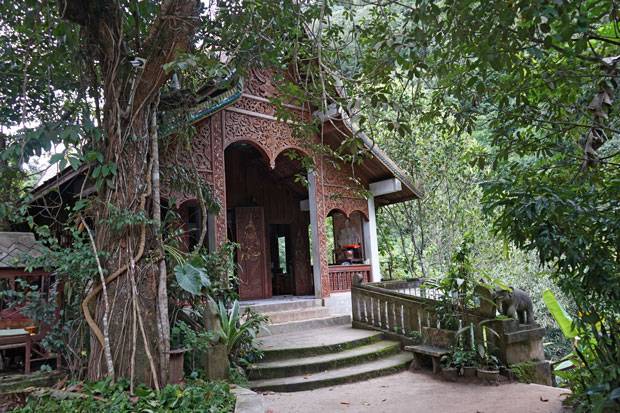
Mae Kampong rests among mist-covered hills, tea plantations, forest trails, and wooden stilt houses. Narrow stone pathways wind through the village, connecting families who have lived here for generations. Life unfolds slowly, guided by sunlight, rainfall, and seasons rather than clocks and calendars.
On my second morning, I met Nok, a gentle village woman in her early fifties who ran a small homestay where I stayed. Her movements were slow, deliberate, and calm, as if she had nowhere urgent to go. She welcomed me each morning with warm herbal tea and soft smiles, asking little, but observing much.
“There is nothing wrong with your body,” she said quietly one evening as we sat outside watching clouds drift through the hills. “It is only tired from being rushed for too long.”
Her words stayed with me.
There were no blaring horns, no glowing billboards, no crowds rushing past. Mornings arrived with birdsong and soft forest light. Evenings settled into deep silence, broken only by crickets and distant waterfalls.
From the first day, I felt an unfamiliar stillness settle inside me. Life moved slowly, yet nothing felt delayed. People spoke gently. Meals were prepared with patience. Work unfolded at a steady pace. Rest was not something to be earned but something naturally woven into daily life.
Initially, the quiet unsettled me. My mind, conditioned by years of stimulation, searched for distraction. But within days, the silence became soothing. The absence of pressure allowed my nervous system to relax in ways I had forgotten were possible.
Daily Life: The Gentle Discipline of Simplicity
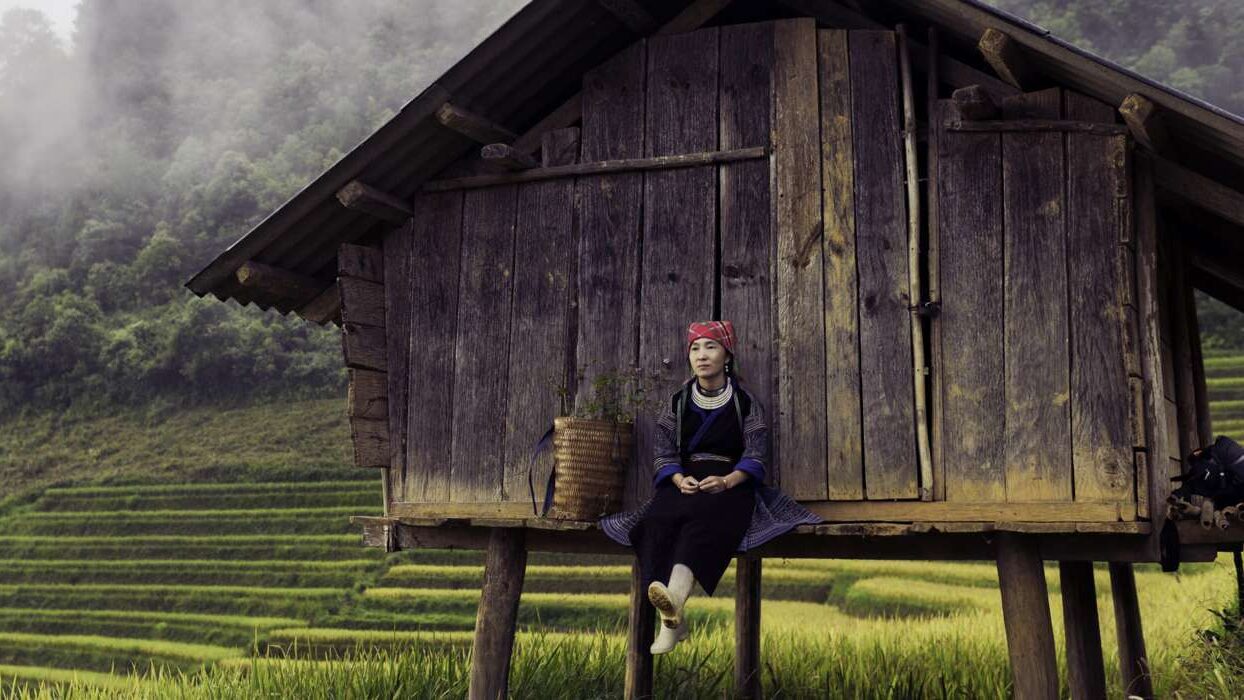
Each day followed a rhythm that felt ancient yet deeply nourishing. Nok would wake before sunrise to boil herbs, prepare rice, and walk through forest paths collecting vegetables. She invited me to join her, teaching me the names of plants and explaining which leaves supported digestion, which cooled the body, and which strengthened immunity.
There were no rigid schedules. Meals happened when hunger appeared. Rest followed work naturally. The body guided the day, not the clock.
At first, my system resisted this simplicity. Accustomed to stimulation, caffeine, and constant motion, I felt restless. But soon, that resistance softened. My digestion stabilized. My sleep deepened. My muscles loosened. My mind settled.
By the end of the first week, I noticed subtle but powerful shifts. I woke without stiffness. My energy lasted through the day. The usual heaviness after meals vanished. Anxiety, which had long hovered quietly in my background, slowly dissolved into calm awareness.
Food as Healing: Nourishment Without Obsession
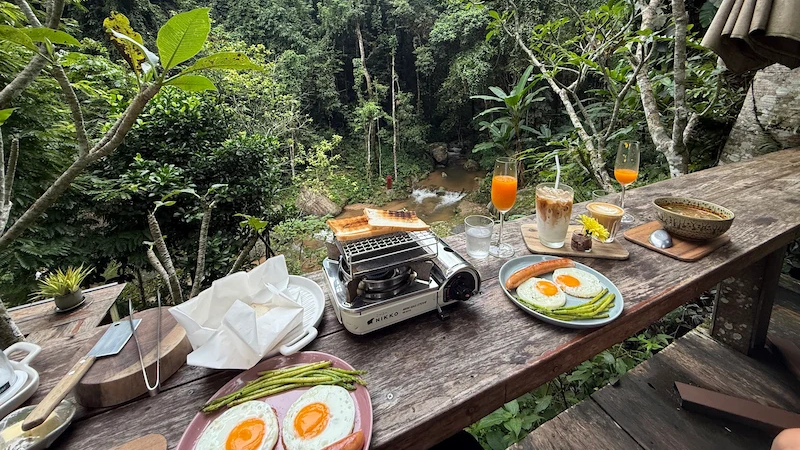
Food in Mae Kampong was humble, seasonal, and deeply intentional. Nok prepared meals using vegetables from her garden, forest herbs, fresh rice, and simple soups simmered for hours.
People ate slowly, together, and without distraction. Phones were absent. Conversation flowed gently. Meals were moments of connection rather than calorie calculation.
When I asked Nok about dietary rules, she laughed softly.
“We don’t eat to fix our bodies,” she said. “We eat to love them.”
Within days, my digestion normalized. My cravings for sugar and caffeine faded naturally. I felt lighter, not thinner, but clearer.
Movement Without Exercise: The Forgotten Medicine
No one in Mae Kampong exercised deliberately. Yet everyone moved continuously. Walking forest trails, harvesting tea, carrying baskets, cleaning homes, cooking meals, tending animals.
Nok never once sat idle, yet she never appeared rushed.
“This is how our bodies stay young,” she said, lifting a basket of herbs effortlessly. “Movement keeps the blood happy.”
My back pain softened. My joints loosened. Energy returned.
Emotional Healing: When the Nervous System Finally Rests
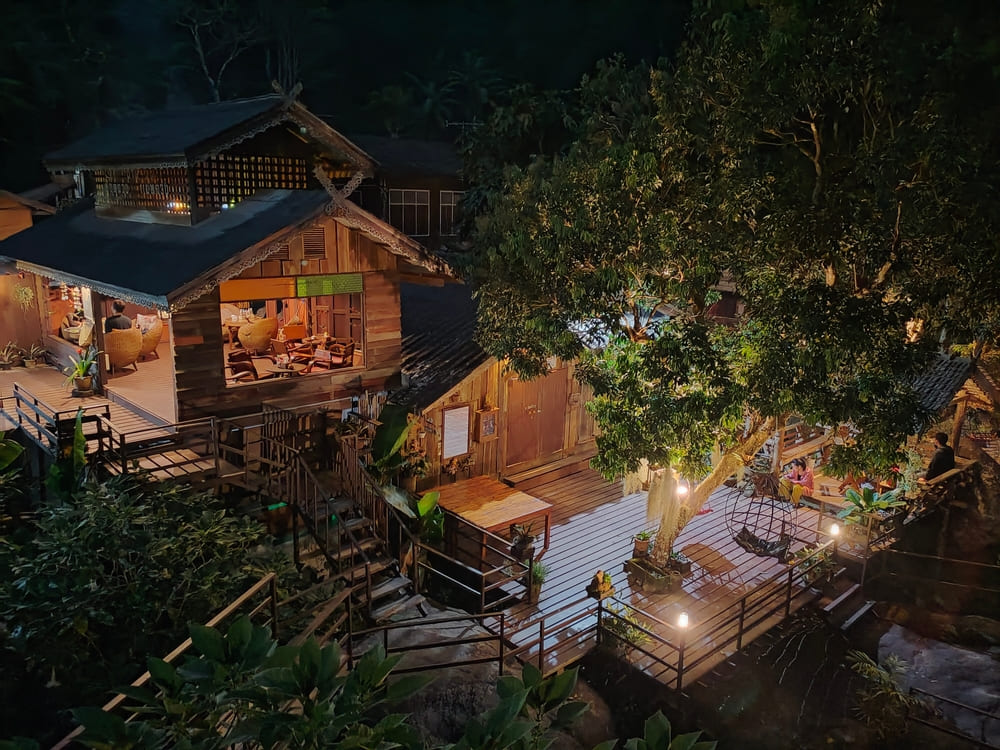
Evenings in Mae Kampong were deeply quiet. After sunset, Nok would light a small lantern and sit silently, watching the mist drift through the hills.
At first, silence felt uncomfortable. Soon, it became sacred.
Thoughts slowed. Anxiety loosened. I began noticing small details. The sound of water flowing through bamboo pipes. The scent of forest earth. The stillness of dusk settling across the valley.
For the first time in years, I felt present inside my own body.
Why Traditional Living Heals Modern Bodies
Mae Kampong represents a living blueprint of preventive health. Its lifestyle aligns naturally with principles known to reduce inflammation, stabilize hormones, regulate digestion, and protect mental well-being.
Sunlight exposure supports circadian rhythm. Whole foods stabilize blood sugar. Gentle movement preserves joint health. Deep social bonds lower cortisol. Silence calms the nervous system.
Rather than repairing damage after it occurs, this lifestyle prevents illness before it begins.
Returning Home: Carrying Simplicity Into Complexity
Leaving Mae Kampong was emotional. Nok hugged me tightly before I left, pressing dried herbs into my palm.
“Don’t forget how your body felt here,” she whispered.
Back in the city, I preserved slow mornings, simple meals, evening walks, and digital boundaries. Months later, my digestion remains stable. My sleep deeper. My anxiety lighter.
Healing Is Remembering, Not Fixing
I went seeking escape.
I returned carrying wisdom.
A small mountain village named Mae Kampong, and a gentle woman named Nok, taught me that healing is not about control, discipline, or perfection. It is about alignment, patience, and compassion toward one’s own body.
Sometimes, healing does not require treatment.
It only requires remembering how to live.