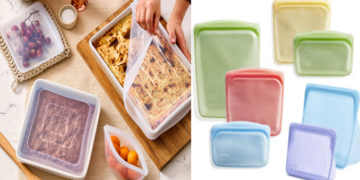






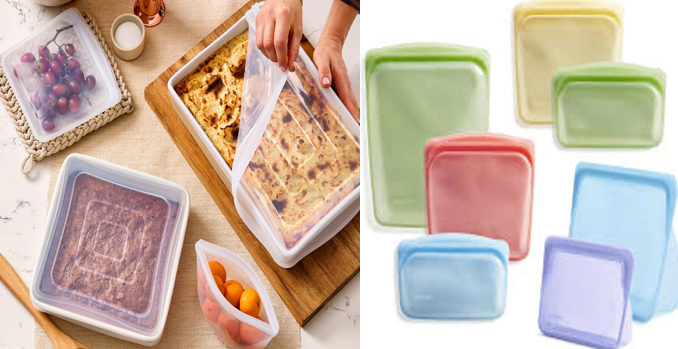
Kat Nouri never dreamed of building a global brand. She wasn’t chasing fame, investors, or a startup lifestyle. Her story began quietly, in her own kitchen, during an ordinary moment that most people would easily overlook—realizing how much plastic she was throwing away every single week. It wasn’t a dramatic realization, just a slow awareness that kept returning every time she cooked, stored leftovers, or packed food for the day.
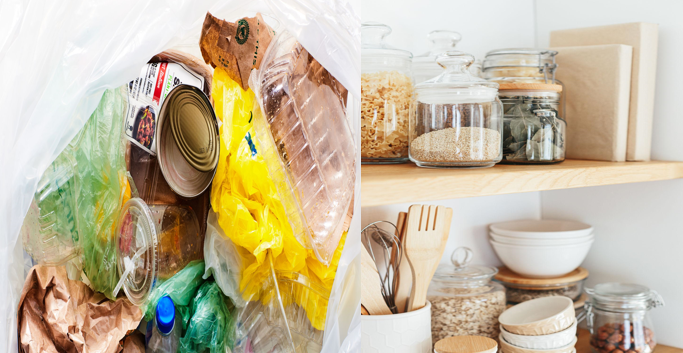
Plastic bags for food, plastic wrap, disposable containers—everything around her was designed for convenience, not longevity. The more she paid attention to her daily habits, the more uncomfortable she felt. It didn’t align with her values, and it didn’t feel right to contribute to a cycle of waste that seemed both unnecessary and harmful. She started noticing how easily plastic became part of every routine, how quickly it was used, and how little thought was given to where it ended up.
At first, she tried to find better alternatives. Glass containers were bulky and impractical. Cloth wraps were inconsistent and limited in use. Some solutions worked in theory but failed in real life. Nothing truly replaced the simplicity and flexibility of a plastic bag, and that gap between intention and reality kept bothering her.
That’s when a simple question quietly changed everything:
What if there was a bag that worked just like plastic—but could be reused for years?
Turning Frustration into a First Prototype
Kat had a background in design and product development, so instead of waiting for someone else to solve the problem, she decided to experiment herself.
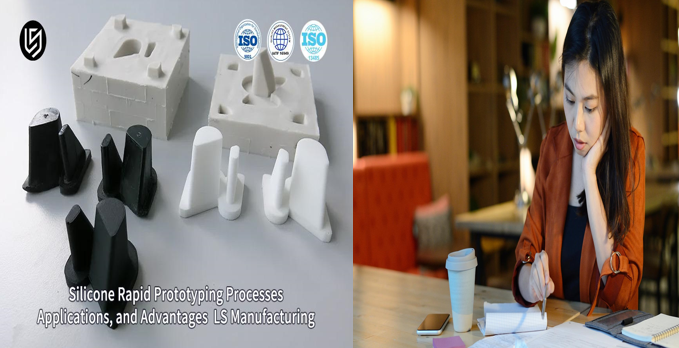
She began working with food-grade silicone, a material that was flexible, safe, durable, and could handle both heat and cold. But creating something practical wasn’t easy.
The first versions leaked.
Some were too stiff.
Others didn’t feel right for daily use.
After months of testing and refining, she finally created a simple, functional prototype: a reusable silicone storage bag that could replace hundreds of disposable
plastic ones.
It didn’t look revolutionary.
It wasn’t high-tech.
But it solved a real problem.
She called it Stasher.
Starting Small and Doing Everything Alone
When Stasher launched, it wasn’t a big event. There was no team, no funding, and no marketing agency behind it. Kat did almost everything herself—product design, manufacturing coordination, packaging, customer support, and social media.
Sales were slow in the beginning. Most customers came from small eco-conscious communities and independent shops.
But something special started happening.
People who bought the bags actually used them—and then told their friends.
Parents used them for kids’ lunches.
Travelers used them for toiletries.
Coffee shops used them for snacks.
Chefs used them for food prep.
Stasher didn’t grow because it was trendy. It grew because it was genuinely useful.
Why the Product Started Standing Out
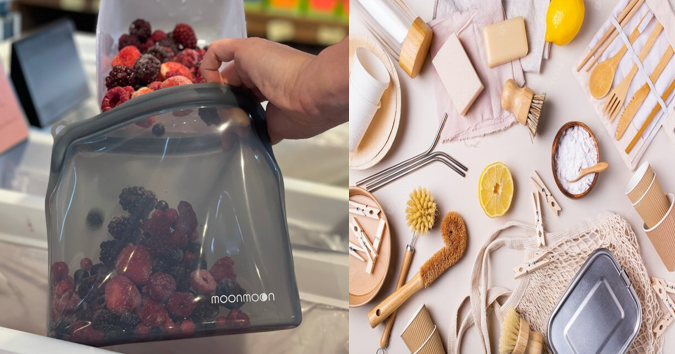
What made Stasher different wasn’t just that it was reusable—it was practical.
You could freeze food in it.
You could boil it.
You could wash it in a dishwasher.
It didn’t stain or hold odors.
Most importantly, it actually replaced plastic instead of feeling like a compromise.
Kat reinvested everything back into the business. She improved designs, added new sizes, introduced colors, and refined the manufacturing process. She focused on quality, even when it meant slower growth.
Gradually, Stasher started appearing in major stores, design exhibitions, and sustainability communities across North America.
Without big advertising, it was becoming part of everyday life.
The Shark Tank Moment
In 2018, Kat appeared on Shark Tank, pitching Stasher to a panel of investors. Her product impressed the Sharks, and she received an offer from Mark Cuban.
The episode introduced Stasher to millions of people overnight.
Website traffic surged.
Orders increased.
The brand became widely recognized.
Although the deal didn’t finalize long-term, the exposure gave Stasher something even more valuable—credibility and trust on a massive scale.
Choosing Sustainable Growth Over Fast Growth
Many founders feel pressure to grow as fast as possible. Raise more money. Launch more products. Expand aggressively.
Kat chose a different path.
She wanted Stasher to remain a values-driven brand, not just a high-volume business. The company invested in responsible manufacturing, partnered with environmental organizations, and avoided shortcuts that would compromise quality.
In 2019, Stasher reached a major milestone when it was acquired by S. C. Johnson & Son, one of the most established consumer brands in the world.
For a product that started as a personal frustration in a kitchen, this was a remarkable outcome.
Where Stasher Is Today
Today, Stasher products are used in homes, schools, offices, restaurants, and travel kits across North America and beyond. Millions of single-use plastic bags have been replaced by a simple silicone alternative.
The brand continues to grow—releasing new designs, improving materials, and promoting sustainable living without losing sight of its original purpose.
What This Story Really Teaches
Kat Nouri’s journey shows that real success doesn’t always start with big funding or viral moments.
It often starts with:
- Noticing a small problem
- Caring enough to solve it
- Being patient with the process
There was no perfect plan.
No guaranteed success.
Just consistent effort and belief in a simple idea.
Stasher proves that meaningful businesses are built quietly—through real value, real users, and real persistence.
And perhaps the most powerful lesson of all:
You don’t need to change the world overnight.
Sometimes, changing one small habit is enough to start something extraordinary.


