





Winter didn’t just arrive one year.
It settled into my body.
After my mid-40s, the cold stopped being seasonal and started feeling personal. My skin turned dry no matter how much lotion I applied. My knees felt stiff every morning. Fingers cracked. Heels roughened. I blamed age, weather, even genetics.
What I didn’t realize was that I had abandoned a ritual my body still remembered.
I didn’t find it in a clinic or a wellness podcast. I found it quietly, in a home where winter was still treated with respect.
When Winter Begins to Show on the Body
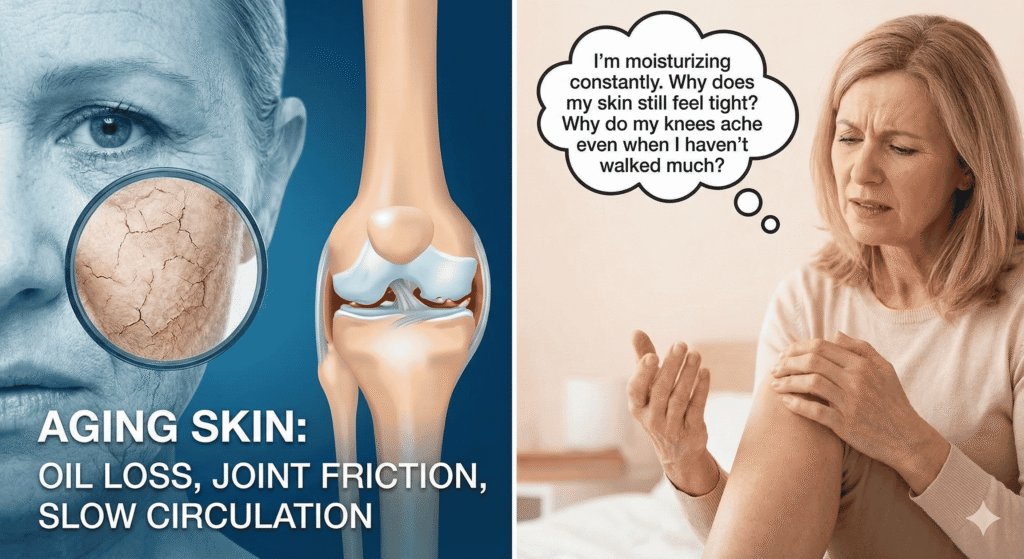
Dermatologists note that aging skin loses natural oils faster. Joint lubrication decreases. Cold weather slows circulation.
But what statistics don’t capture is how this feels day to day.
“I’m moisturizing constantly. Why does my skin still feel tight?”
“Why do my knees ache even when I haven’t walked much?”
These questions led me back to something I had dismissed for years as outdated.
The Ritual I Had Forgotten
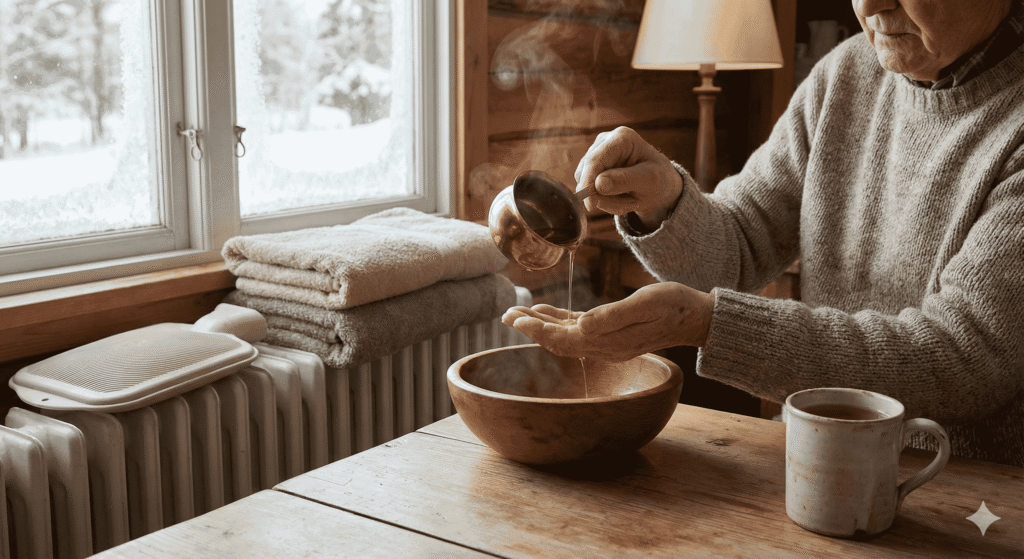
It started with a simple instruction from an elderly relative during a winter visit.
“Oil first. Everything else comes later.”
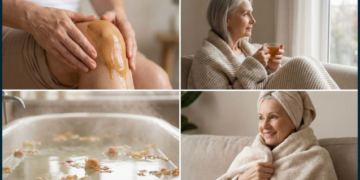
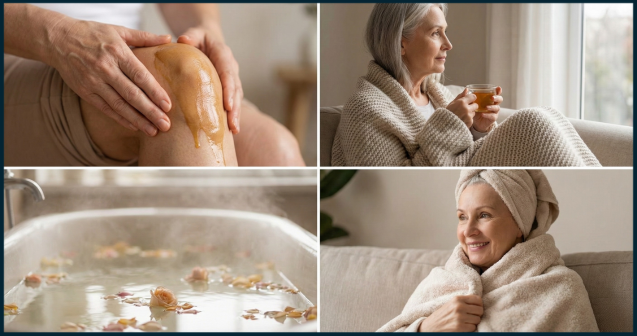
The ritual was warm oil massage followed by gentle heat and bathing a winter practice once common in many homes but slowly forgotten.
Not a spa treatment.
Not an occasional luxury.
A daily or alternate-day habit.
The Winter Ritual Explained
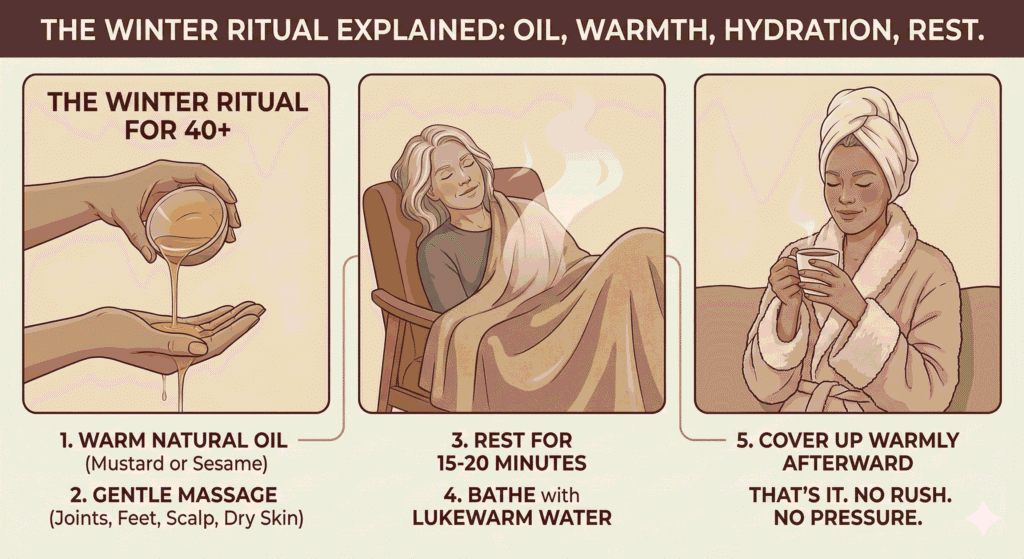
This ritual combines Abhyanga-style oiling with warmth, hydration, and rest. It is especially recommended for people over 40.
The Ritual Steps
- Warm natural oil slightly (mustard oil or sesame oil)
- Massage gently into joints, feet, palms, scalp, and dry skin areas
- Sit or rest for 15–20 minutes
- Bathe with lukewarm water
- Cover up warmly afterward
That’s it. No rush. No pressure.
Why These Oils Matter
• Mustard oil improves circulation and warmth
• Sesame oil penetrates deeply, nourishing joints and skin
• Both reduce dryness and stiffness aggravated by cold
This is not about forceful massage. It’s about inviting warmth back into the body.
My First Week: Small Changes, Big Relief
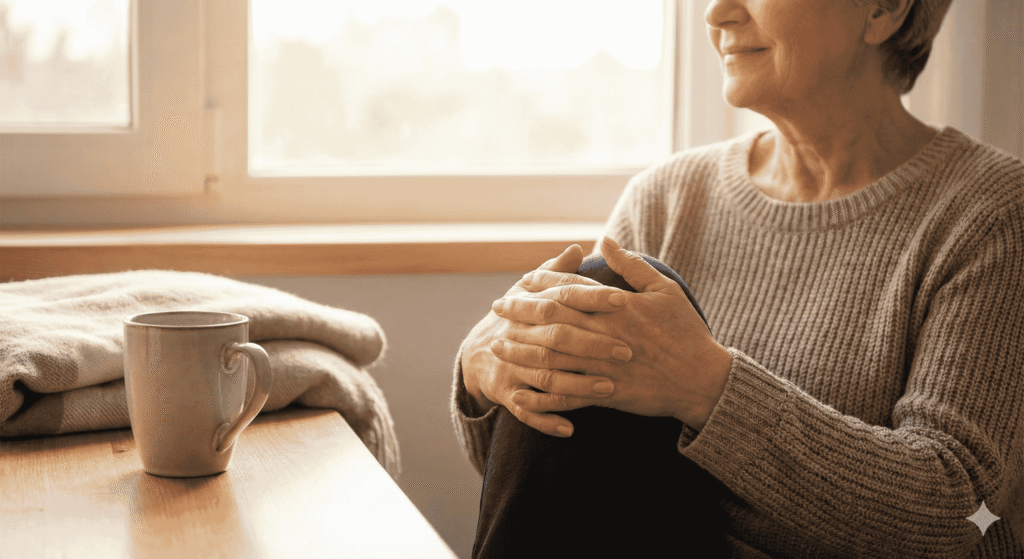
The first thing I noticed wasn’t dramatic.
It was silence.
No tight pull on my arms when I moved.
No sharp morning stiffness in my knees.
No flaky patches screaming for cream.
By the end of the week, my skin felt softer even before bathing. My joints warmed faster during the day. I stopped waking up feeling “rusty.”
That’s when the ritual stopped feeling optional.
Why This Ritual Works

Modern winter care focuses on surface solutions creams, supplements, quick fixes.
Traditional rituals focus on systemic warmth.
Oil slows moisture loss. Massage improves circulation. Heat helps absorption. Rest allows repair.
Science now supports what tradition practiced quietly for generations.
The Emotional Side No One Talks About
There was another change I didn’t expect.
The ritual slowed me down.
For 20 minutes, I wasn’t productive. I wasn’t multitasking. I was present in my body. That alone reduced stress something joint pain and skin dryness are deeply linked to.
This wasn’t just healing skin.
It was healing how I treated myself in winter.
Why I Still Follow This Ritual Every Winter
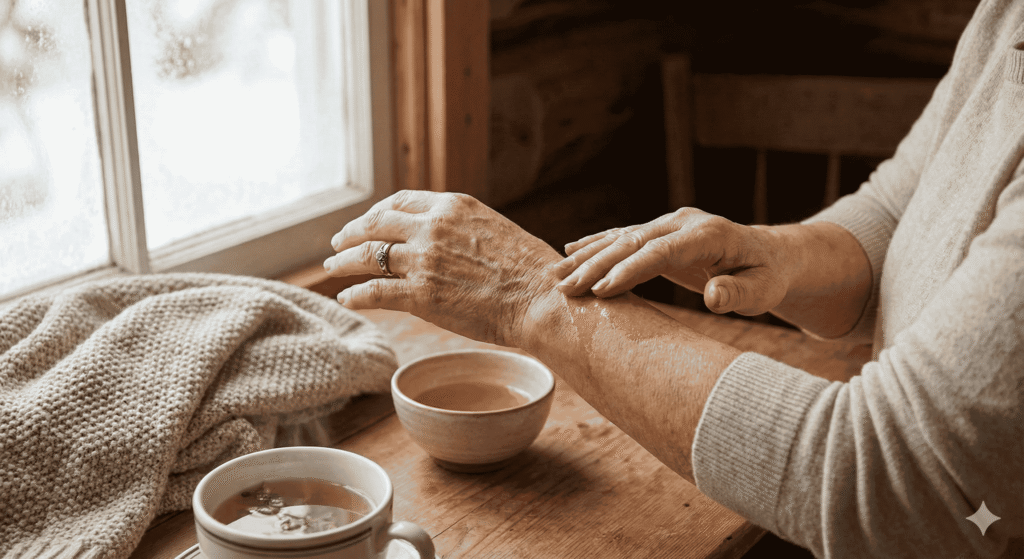
I no longer wait for pain to remind me.
This ritual is now preventive, not reactive.
It costs little. It demands patience. And it gives back more than any cream I’ve tried.
A Ritual Worth Remembering
This wasn’t a discovery.
It was a return.
Sometimes healing isn’t about adding something new.
It’s about remembering what we quietly left behind.
And for my dry skin and aching joints, this forgotten winter ritual didn’t just help it brought my body back into balance.