







How one American woman rebuilt her life overseas—and why more families are quietly doing the same.
1. Why I Finally Walked Away From the American Grind (Her Voice)
“I didn’t leave America because I hated it,” she says. “I left because I couldn’t breathe anymore.”

For years, her life in the U.S. revolved around mortgages, medical bills, insurance payments, high grocery costs, and constant stress about the future. Every month felt like a financial emergency. Even with adult children, the pressure never stopped. Inflation made everything worse. Housing felt unreachable. Healthcare felt dangerous. Peace felt impossible.
“I remember sitting at my kitchen table one night, staring at my bank account, thinking—Is this really what the rest of my life is supposed to be? I didn’t want luxury. I wanted stability. I wanted time. I wanted sleep without fear.”
The idea of Thailand wasn’t impulsive. It came quietly after months of research, YouTube videos, expat blogs, and late-night conversations with her family. At first, it sounded unrealistic. But slowly, it began to feel like the only logical choice left.
2. The Day We Landed in Bangkok Changed Everything (Her Voice)
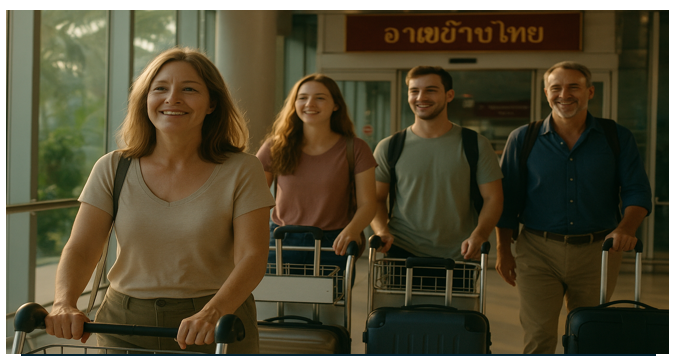
“When we landed in Bangkok, I expected chaos. Instead, I found calm.”

Within 24 hours, they were touring apartments. Within 48 hours, they had signed a lease. No endless paperwork. No credit score checks. No deposits that felt like a second down payment. Everything moved fast—but smoothly.
“I kept waiting for the complications. They never came. Internet was installed in days. Utilities were simple. The landlord was kind. I felt something I hadn’t felt in years—relief.”
They had secured a long-term visa before arriving. That preparation made all the difference. What shocked her most was how little resistance they faced starting over.
“In the U.S., nothing feels simple anymore. In Thailand, everything felt human again.”
3. Why More American Families Are Quietly Leaving the U.S.
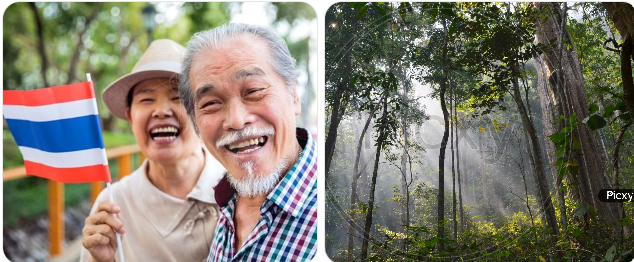
Her story is not unique. A growing number of American families—especially those with adult children—are choosing Southeast Asia for one main reason: financial survival with dignity.
The average cost of living in many parts of Thailand is 50–70% lower than in major U.S. cities. Rent, food, transportation, internet, and healthcare are dramatically cheaper. What costs thousands in the U.S. often costs hundreds in Thailand.
But beyond money, families are searching for something deeper:
- Less stress
- More time together
- Safer daily life
- Affordable private healthcare
- Community instead of isolation
For many, Thailand offers what the American system no longer does—a life where basic needs don’t require constant struggle.
4. What Daily Life in Thailand Actually Feels Like (Her Voice)
“I wake up without panic now. That alone changed my life.”
Her new routine includes morning walks, fresh fruit breakfasts, quiet coffee shops, and slow evenings. There’s no rush to beat traffic for a job that barely covers survival. No fear of one medical emergency destroying everything.
“We eat fresh food daily. I don’t stress about grocery prices anymore. I don’t check my bank app ten times a day. I feel… normal again.”
The cultural kindness surprised her most.
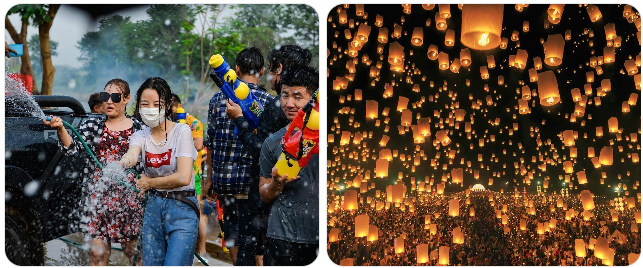
“Strangers smile at you here. People don’t feel angry all the time. There’s respect, patience, and emotional space. You realize how tense you were only after that tension leaves.”
Her adult children adapted quickly too. Their anxiety dropped. Their sleep improved. Their outlook on the future changed dramatically.
5. The Real Financial Difference: USA vs Thailand
From a writer’s perspective, this move makes powerful financial sense.
In many parts of Thailand:
- Rent for a modern apartment: $300–$800/month
- Meals: $2–$5
- Private healthcare visits: $20–$50
- High-speed internet: Under $20/month
- Transportation: Reliable and inexpensive
In contrast, the same lifestyle in the U.S. often requires $5,000–$8,000+ per month.
For retirees, freelancers, remote workers, or families with savings, this shift can add 10–20 years of financial security to their lives. It also allows people to live without fear of medical bankruptcy, which remains one of America’s most crushing realities.
6. The Emotional Side of Leaving Home (Her Voice)
“I didn’t escape the U.S. without pain. No one does.”
Leaving behind friends, memories, and decades of life is not easy. She admits the first few weeks felt surreal.
“You grieve the old life even if it hurt you. That surprised me.”
But slowly, that grief turned into gratitude.
“I didn’t abandon my country. I saved myself.”
She also shares a deeper truth many expats feel but rarely say:
“We’re not running away from America. We’re running toward a version of life America stopped offering.”
Her message to other women is simple:
“If you’ve spent your entire life carrying weight for everyone else—this world still has softness left for you.”
7. Is Moving Abroad Right for Everyone? The Truth

From a realistic standpoint, this lifestyle change is powerful—but not universal.
It works best for:
- Retirees
- Remote workers
- Digital entrepreneurs
- Families with adult children
- People with savings or stable online income
It is harder for:
- Those relying on U.S.-based jobs
- Families with very young children (schooling adjustments)
- People who cannot emotionally detach from American systems
Thailand isn’t perfect. There are language barriers. Cultural adjustments. Bureaucracy still exists—just differently. And long-term visas require planning.
But for those who prepare well, the result can be life-changing stability instead of endless financial panic.
Final Reflection: A Better Life Doesn’t Always Mean a Bigger One

Her story proves something powerful:
A better life doesn’t always mean climbing higher. Sometimes it means stepping off the ladder completely.
She didn’t move to get rich.
She moved to get free.
Free from fear.
Free from survival anxiety.
Free from the feeling that life was shrinking year by year.
“I didn’t know how heavy my life was,” she says, “until I put it down.”
And today, in a quiet Thai neighborhood thousands of miles from the country she once struggled within, she finally feels what so many Americans no longer do:
Safe. Stable. Alive.